

Pickleball – The Fastest Growing Sport Everyone Can Play
Pickleball is one of the fastest-growing sports in the world, blending the best bits of tennis, badminton, and table tennis into one addictive game. It was invented in the US back in the 1960s, and today millions of people play it worldwide - including a rapidly growing scene here in the UK, plus France, Spain, Germany, and other parts of Europe. Part of the appeal is how quickly it clicks: beginners can rally on day one, while experienced players find endless room to sharpen their game.
So what exactly is this mash-up of racket sports, why has it hooked so many people, and where can you play it in the UK? Below you'll find everything worth knowing about pickleball - its history, the rules, the gear, the benefits - plus an honest comparison with padel.
What Is Pickleball?
Pickleball is a fast, dynamic paddle sport played on a compact court with solid paddles and a perforated plastic ball. It pulls elements from tennis, table tennis, and badminton, landing on a sweet spot between speed, strategy, and touch.
Because the rules are simple and the barrier to entry is low, the game is easy to pick up whether you're brand new or already an athlete. It works for every age group - it's less physically punishing than tennis, but still gives you a genuine workout for reflexes, footwork, and stamina.
It's not just a backyard game, either. Pickleball is gaining real traction as a competitive sport, with professional leagues and tournaments already established in the US, Canada, and Australia. The community across the UK, Spain, France, and Germany is growing fast too, with new courts and clubs popping up all the time - in the UK alone, membership numbers have surged year on year.
At its core, pickleball is a varied, social, and welcoming sport that keeps winning people over. That tennis-badminton-table-tennis blend delivers punchy rallies on a small court - dynamic play without the physical toll of, say, a full tennis match.
It really shines as a social game, mixing fun, movement, and time with other people. Beginner, weekend player, or tournament competitor - anyone can learn it quickly and enjoy it together.
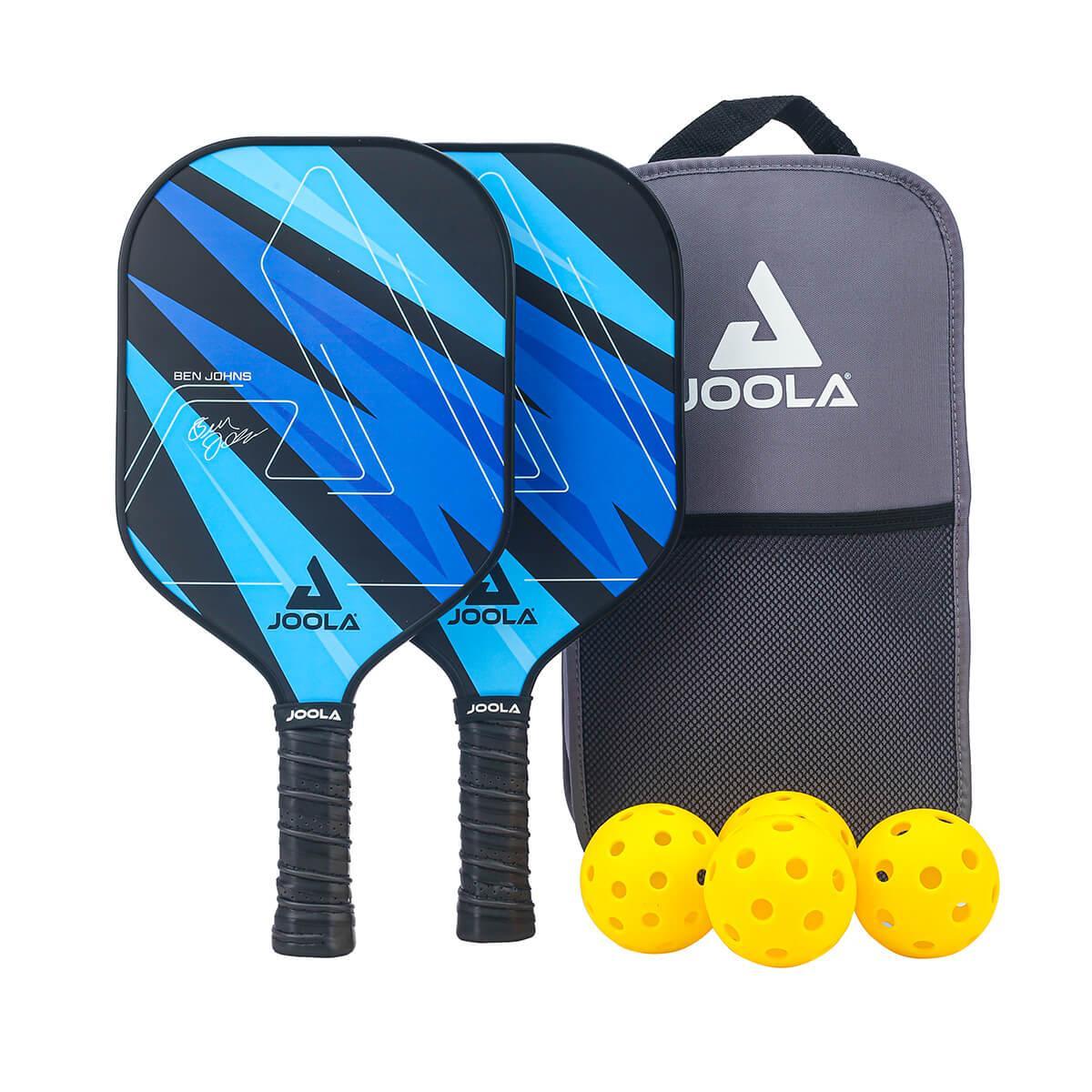
- Gear: A solid paddle and a perforated plastic ball (the "wiffle"-style ball).
- Court: The same size as a badminton doubles court - 6.10 × 13.41 m (20 × 44 ft). The one thing that sets it apart is the Kitchen line, 2.13 m (7 ft) from the net.
- Net height: 91 cm at the sidelines, 86 cm in the middle - slightly lower than a tennis net.
- Who it's for: Ideal for young and old thanks to the moderate pace and simple core rules.
How To Play Pickleball? The Rules at a Glance
The rulebook is refreshingly simple, which is exactly why you get quick wins early on. After a short warm-up with the basics, you're ready for real matches. Here are the essentials:
Getting started – the serve
- The serve is always underhand, and the paddle has to make contact with the ball below waist level.
- The serve has to travel diagonally into the opposite service box - landing beyond the Kitchen.
- The server stands behind the baseline and switches service sides after each point won.
- It's most commonly played as doubles - two against two - but singles works too and follows the same core rules.
The two-bounce rule – how rallies start
- One thing that's unique to pickleball is the two-bounce rule (also called the double-bounce rule): the serve has to bounce once, and the return has to bounce once, before either side is allowed to take the ball out of the air.
- Only after those two bounces can you start volleying (hitting it before it bounces) or playing it off the bounce.
- This rule stretches out the rallies and gives both teams a fair chance to get into the point.
The Non-Volley Zone - the "Kitchen"
- On each side of the net, a line runs parallel to it 2.13 m (7 ft) back - the area between that line and the net is the Kitchen.
- You're not allowed to volley (hit the ball out of the air) while standing in this zone.
- Step into the Kitchen on a volley - or volley the ball from inside it - and it's a fault: you either lose your serve or give up the point.
- This rule stops players from smashing everything at the net and makes for a fairer, more strategic game.
Scoring – how you win
- A game starts at 0-0-2 (zero-zero-two) and usually goes to 11 points - but you have to win by at least two.
- Only the serving team can score points.
- In doubles, the server switches sides within the team after each point won. The serve only passes to the opponents once both players on a team have lost their serve (a side-out).
Fairness & community - the heart of the game
- Pickleball is built on playing together. Respect, courtesy, and team spirit run through the whole sport.
- In recreational and club play especially, the point is the fun of moving and rallying - not just winning.
- That's exactly why pickleball is such a hit with families, newcomers, older players, and anyone looking for an accessible, social sport.
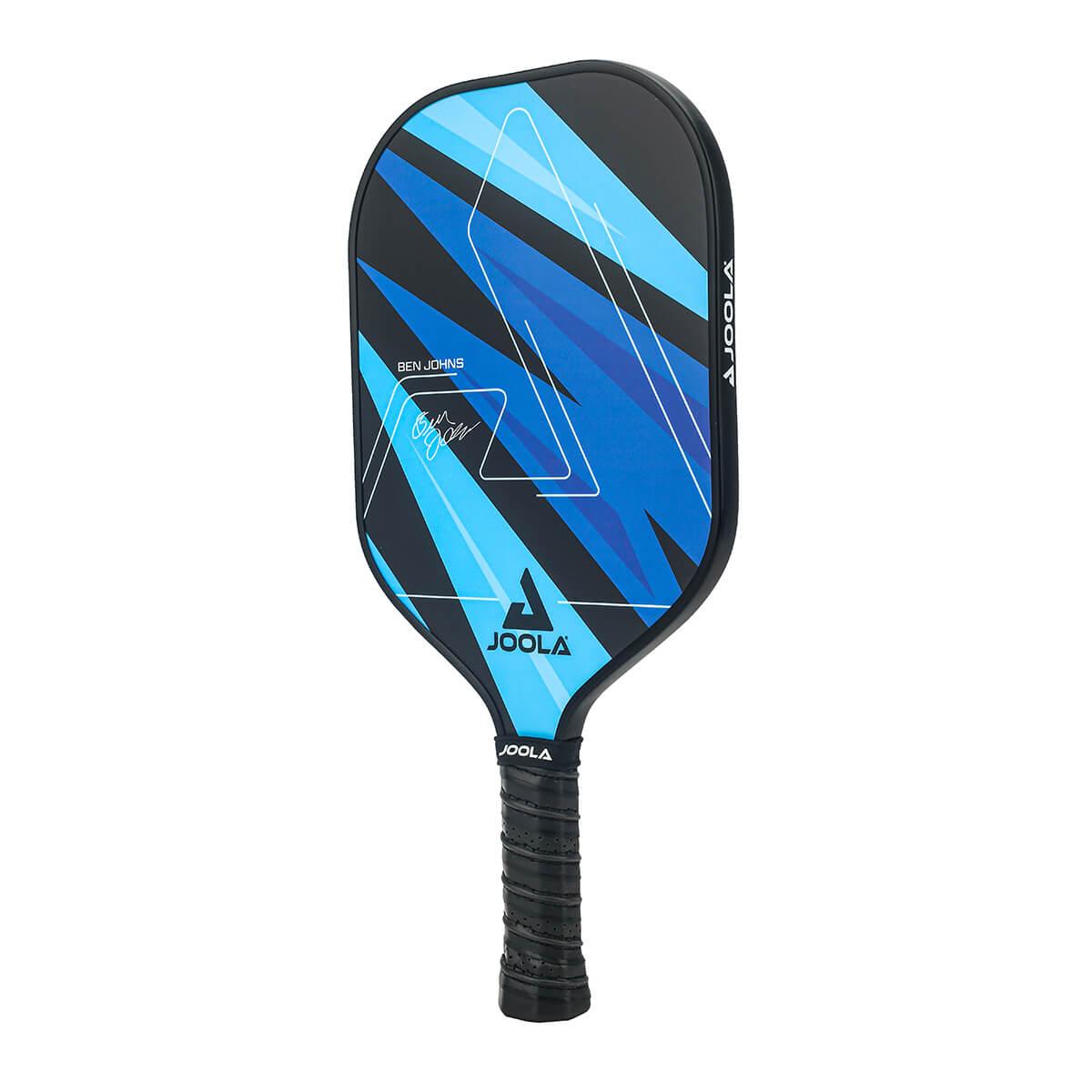
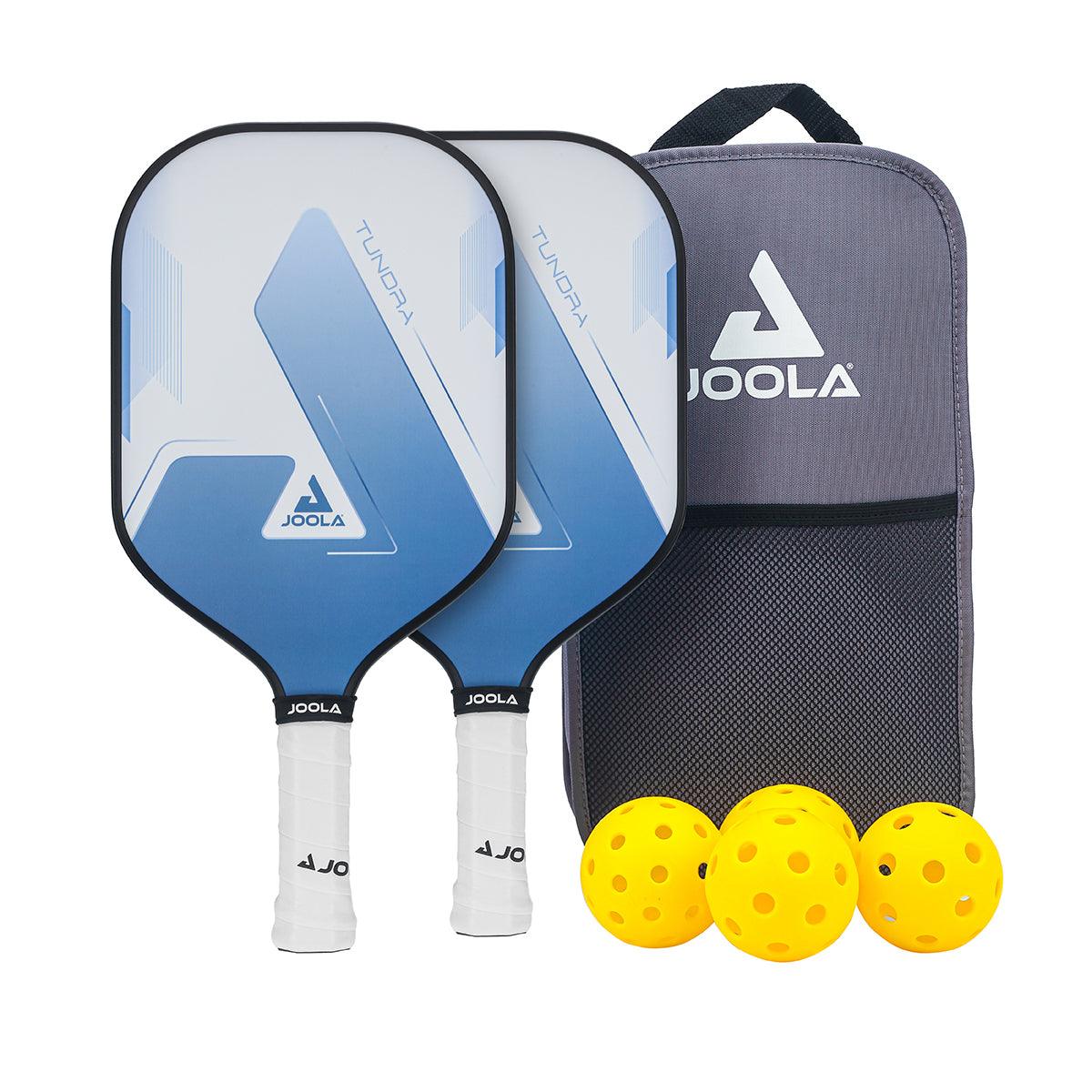
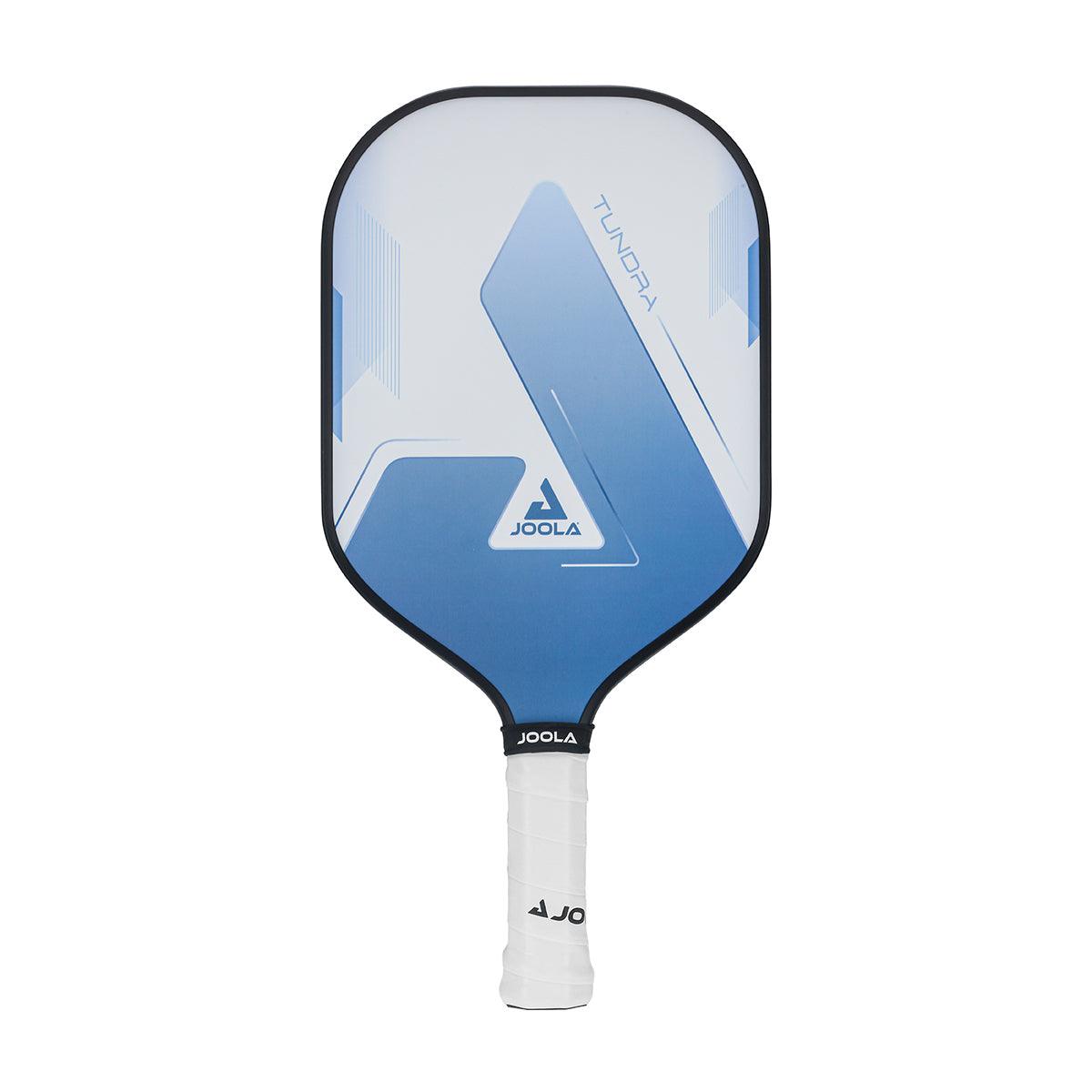
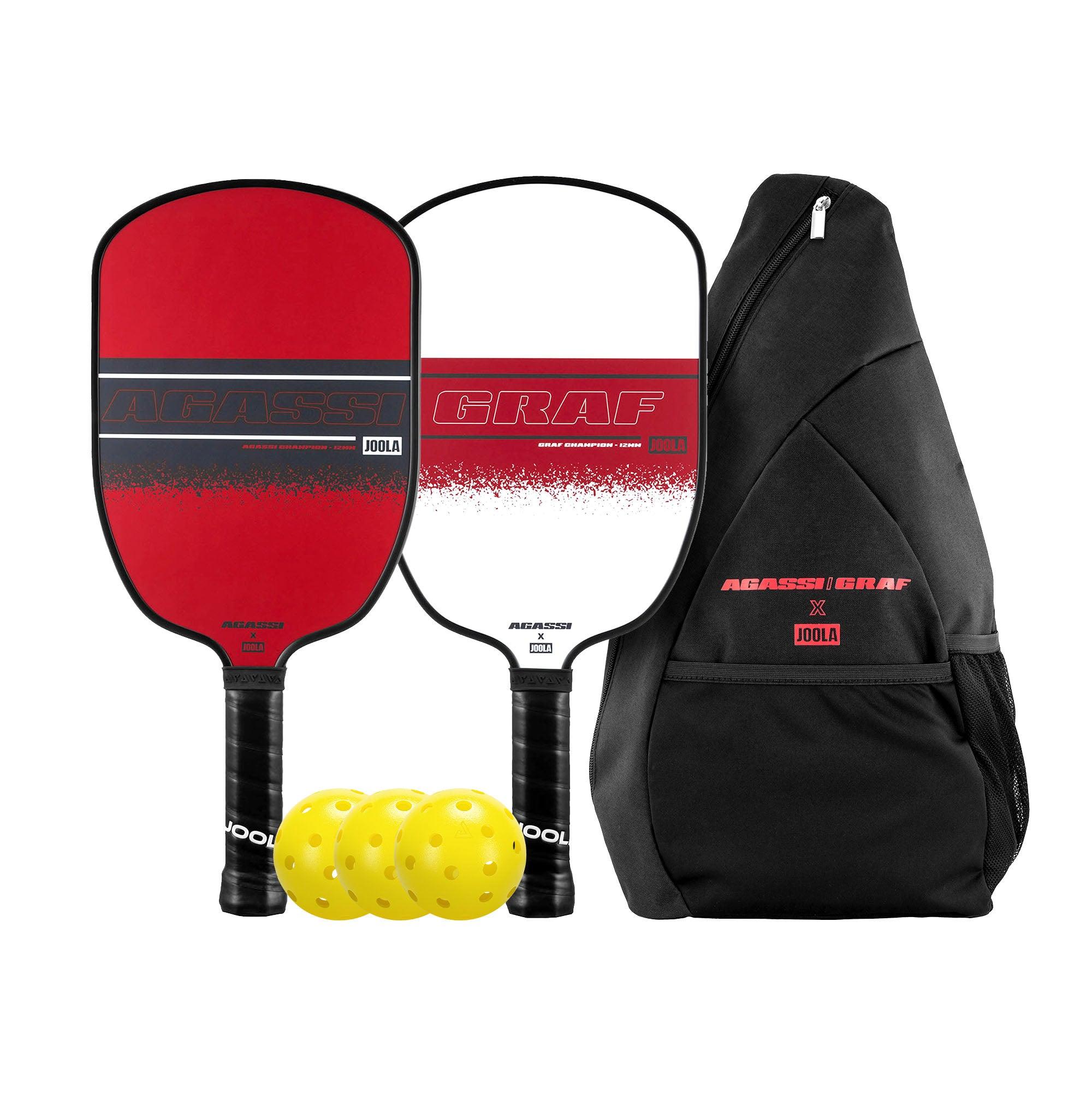
Our Highlights
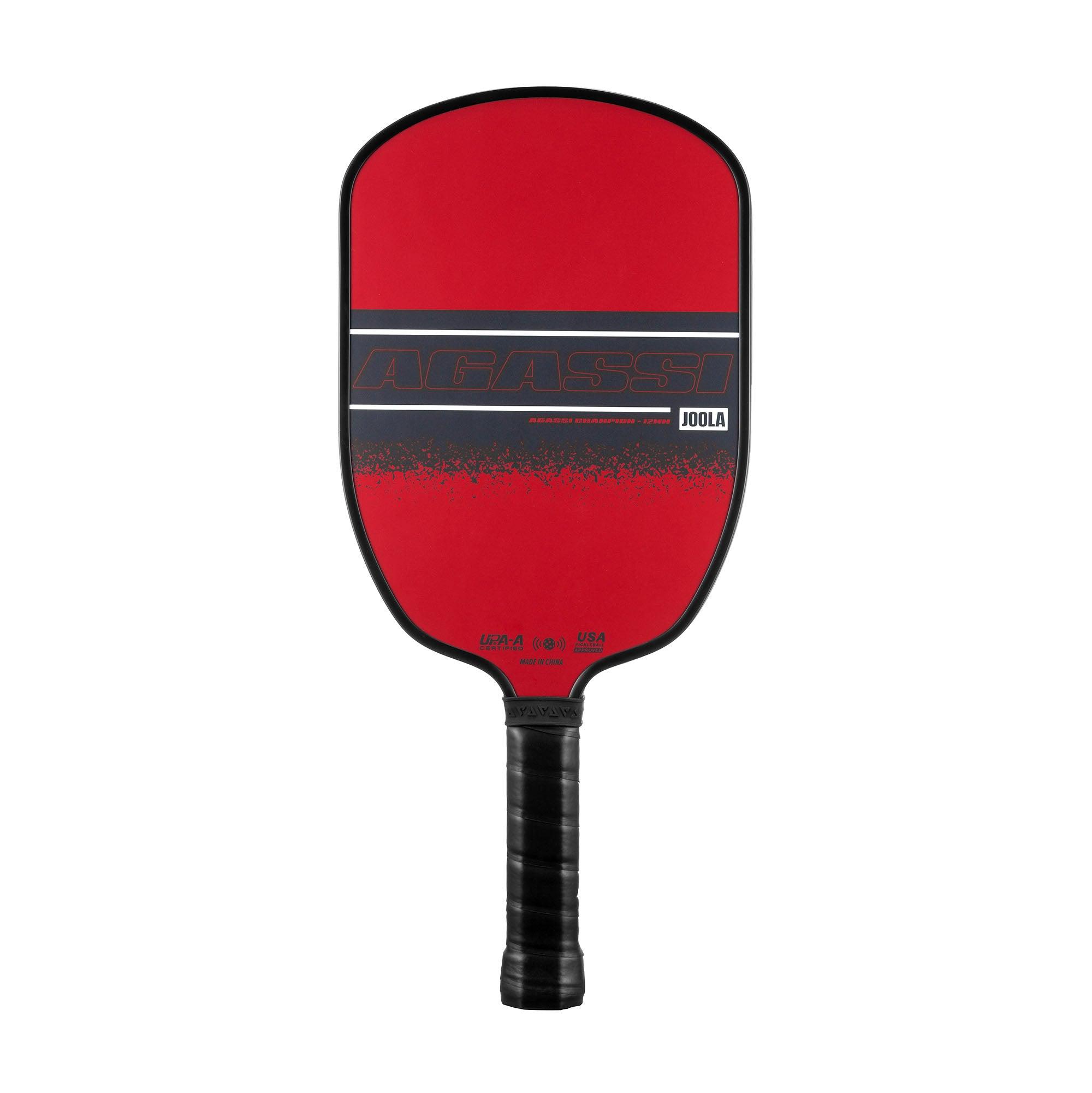
Padel vs. Pickleball – Differences and Common Ground
With so many new racket sports on the rise, a lot of people are asking the same thing: what actually sets padel apart from pickleball - and where do the two overlap?
The court: enclosed vs. open
Padel is played on a smaller court fully enclosed by glass or mesh walls - think of an open-air squash court. Those walls are part of the game. Pickleball just needs an open court with a net. The playing area looks like a shrunken tennis court, with no walls or boundaries to play off.
The gear: paddles and balls compared
Padel paddles are made of one solid piece with holes drilled into the face - compact, but with real power behind them. The ball is like a tennis ball, just with less pressure. Pickleball paddles look more like oversized table tennis racket: flat, solid, and without holes. The ball is hollow plastic and full of holes - which changes the flight and the pace of the game completely.
Rules and style of play: dynamic, but different
Padel mixes tennis with squash: you can deliberately play the ball off the walls, which rewards tactics and quick reactions. Pickleball feels more like a blend of tennis, table tennis, and badminton. The defining feature is the Non-Volley Zone near the net, which slows the game down at the net and makes it more controlled.
Where it's played
Padel is huge in Spain and South America and is steadily catching on across the rest of Europe. Pickleball comes from the US, where it's absolutely booming - and the UK is quickly becoming one of its fastest-growing European markets, alongside a fast-growing scene in Germany, France, and beyond.
What they share
Both are quick to learn, fun at any age, and - thanks to their dynamic-but-manageable pace - perfect for recreational and family play. Both also need far less space than traditional tennis, which makes them easier to organise and get into.
Bottom line
Padel or pickleball, both are great alternatives to classic tennis. Which one suits you comes down to taste: if you love playing the ball off the walls, you'll love padel. If you'd rather have a relaxed, tactical game with no walls in the way, pickleball is your sport.
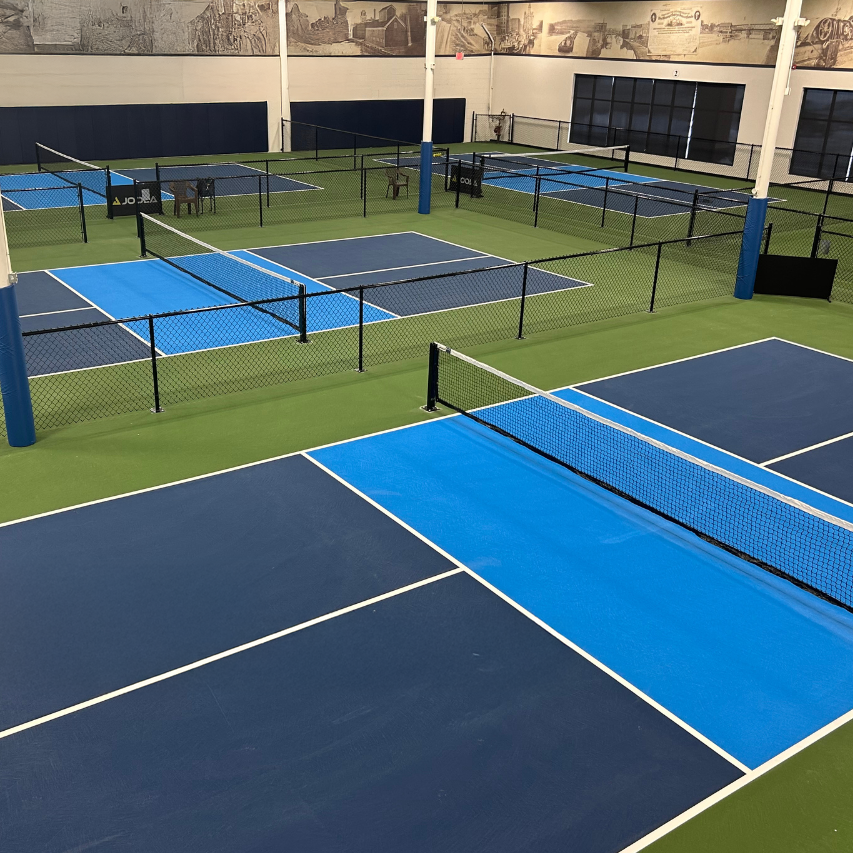
Playing Pickleball in UK
Pickleball is catching on fast across the UK, winning people over with its pace, simplicity, and versatility. It suits every age group - it's less physically demanding than tennis but still builds skill, reflexes, and stamina. It's especially popular with older players, families, and recreational players, while still challenging serious athletes, since high-level play demands real tactical and technical skill.
- Clubs & groups: More and more UK towns and cities have pickleball clubs and rec-sport groups organising sessions, run under the umbrella of Pickleball England (with sister associations in Scotland, Wales, and Northern Ireland).
- Courts: Since dedicated pickleball courts are still relatively scarce, badminton and leisure-centre halls are a great place to start - the dimensions are (almost) identical, and many venues have added pickleball lines and nets. Outdoors, a hard court like the ones used for tennis works best.
- Tournaments & events: The scene has exploded in recent years, with dozens of tournaments running across the country for every age and skill level. The English Open at the NEC in Birmingham and the English National Championships are the biggest fixtures on the calendar, drawing thousands of players - including plenty from overseas.
If you want to give pickleball a try, your best bet right now is checking Pickleball England's club finder, local leisure centres, or social-media groups for taster sessions and practice times.
Why Is It Called Pickleball? History and Origins
Pickleball was invented in 1965 on Bainbridge Island, Washington, when Joel Pritchard, Bill Bell, and Barney McCallum set out to create a game their whole families could enjoy together. With a badminton court, some improvised wooden paddles, and a perforated plastic ball, they came up with a sport that was easy to learn, endlessly fun, and open to every age and skill level.
The name itself has a charming backstory - and a few versions float around - but two explanations come up most often:
- As the legend goes, the game the Pritchard family dreamed up on Bainbridge Island in the 1960s was named after their dog, "Pickles." Pickles supposedly loved chasing the ball, so the game eventually took his name.
- The other theory traces the name to the "pickle boat" - a rowing term for a boat crewed by the leftover rowers from various teams. Since pickleball throws together elements from different sports - tennis, badminton, table tennis - it was seen as the "pickle boat" of racket sports and got its name that way.
Either way, the name captures the playful, community-minded spirit of the game.
From those humble beginnings, the sport spread like wildfire. It became a fixture in retirement communities, parks, and rec centres - not because anyone pushed it on people, but because it brought joy, connection, and a real sense of belonging. Today there are tens of millions of players in the US alone, and the numbers keep climbing fast worldwide - not least here in the UK and across Europe.