


What Is Table Tennis?
Table tennis is a fast-paced and highly versatile racket sport played by two players in singles or four players in doubles. Using lightweight plastic balls, rackets, and a table divided by a net, the goal is to return the ball in a way that prevents your opponent from making a legal return.
What seems simple at first quickly becomes a game of remarkable tactical depth. Speed, spin, and placement constantly change during a rally. A short backspin ball requires a completely different response than a powerful topspin directed into the crossover point. To play successfully, athletes must not only strike the ball well but also anticipate its trajectory, bounce, and spin while reading their opponent’s racket angle.
This allows for a wide variety of playing styles. Some players build points through consistency, placement, and changes of rhythm, while others prefer early attacks and aggressive topspin play. Blocking, counter-hitting, pushing, and defensive strategies are all essential parts of a sport where technique and tactics are closely connected.
Why Table Tennis Is So Versatile
A rally begins long before the first attacking shot. The serve determines the spin, placement, and length that will shape the point. The receiver must quickly identify whether the ball should be pushed short, returned long, flicked, or attacked immediately.
In open play, just a few inches can change an entire rally. A wide forehand topspin requires different footwork than a ball directed at the body. A well-placed block may be more effective than a powerful counterattack. Advanced players constantly vary speed, spin, trajectory, and placement while balancing consistency with opportunities for direct winners.
This unique combination of precision, quick reactions, footwork, and tactical decision-making is what makes table tennis attractive to beginners and experienced competitors alike.
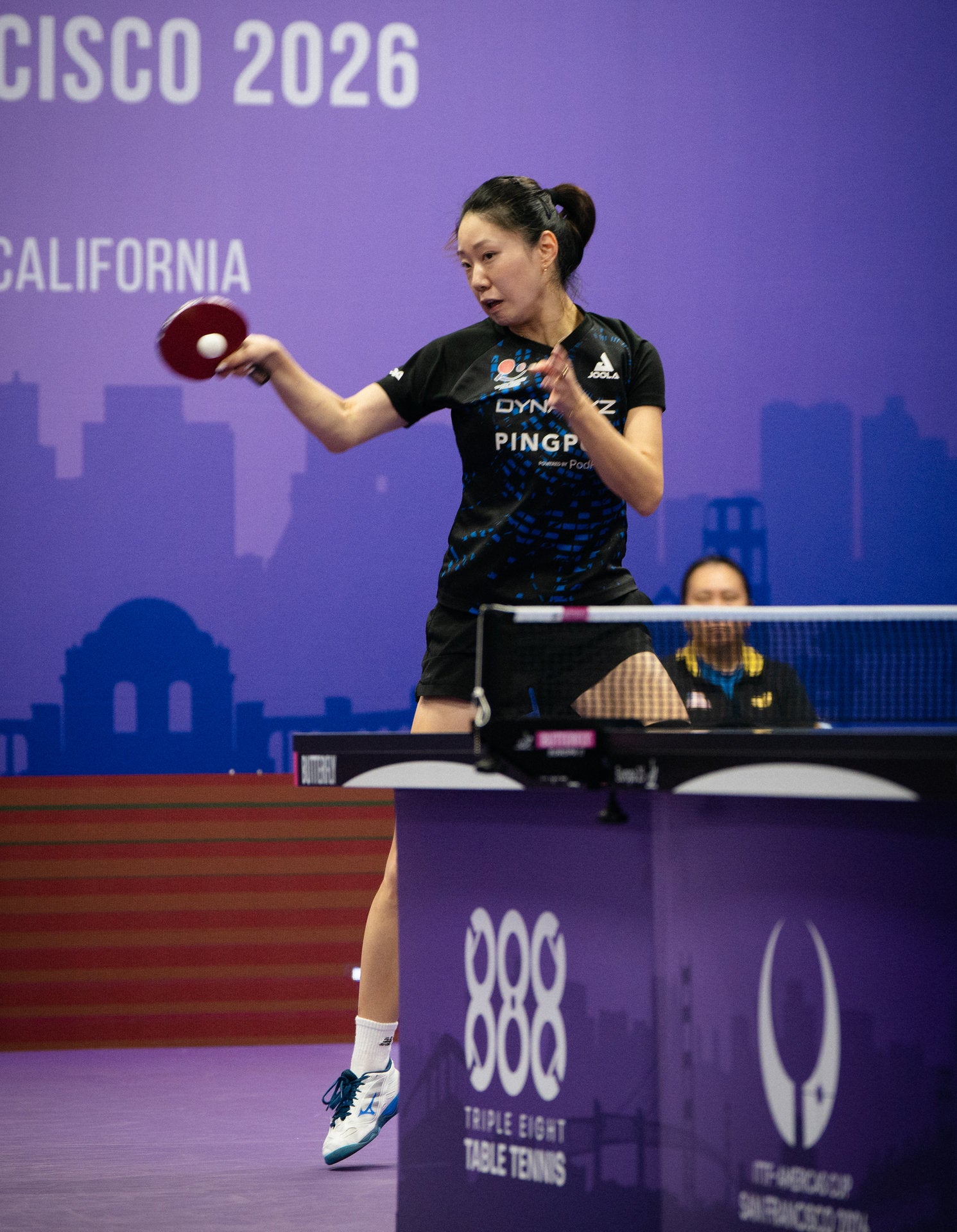
The History of Table Tennis
Early forms of table tennis emerged in England during the late nineteenth century. As lawn tennis gained popularity in the 1880s, various attempts were made to recreate the game on a table using improvised or purpose-built equipment. Historical records show multiple patents and commercial versions of the game, making it impossible to attribute its invention to a single individual.
Terms such as Ping Pong and Table Tennis were used for different versions and products during the sport’s early years. Today, table tennis is the official name of the organized sport, while ping pong remains a commonly used informal term.
The International Table Tennis Federation (ITTF) was founded in 1926, and the first World Championships were held in London that same year. Since its Olympic debut at the 1988 Seoul Games, table tennis has remained a permanent Olympic sport. In 2026, both the ITTF and the World Championships celebrated their centenary.
The Most Important Table Tennis Rules
A game is played to 11 points, and a player must win by at least two points. If the score reaches 10-10, play continues until one side gains a two-point lead.
Matches consist of an odd number of games, with Best-of-5 and Best-of-7 formats being the most common. Service changes every two points, but after deuce it alternates after every point. Players switch ends after each game, and in the deciding game they change sides once a player reaches five points.
A point ends when a player fails to return the ball legally, hits the net, misses the opponent’s side of the table, or allows the ball to bounce twice on their side. If the ball clips the top edge of the table and continues legally during a rally, play continues. The vertical sides of the table are not considered part of the playing surface.
How a Legal Serve Works
At the start of a serve, the ball must rest freely on the open palm of the server’s stationary free hand. The ball is then tossed almost vertically at least 16 centimeters (6.3 inches) into the air without spin.
As the ball descends, it must be struck so that it first bounces on the server’s side of the table and then on the receiver’s side.
From the beginning of the serve until contact, the ball must remain above the playing surface and behind the end line. The receiver must be able to see the ball throughout the serving action. It may not be hidden by the body, arm, or clothing. Once the ball has been tossed, the free arm must be removed from the space between the ball and the net.
If an otherwise legal serve touches the net and then lands correctly, it is replayed as a let. In doubles, the serve must travel diagonally from the server’s right court to the receiver’s right court.
Movement, Coordination, and Physical Demands
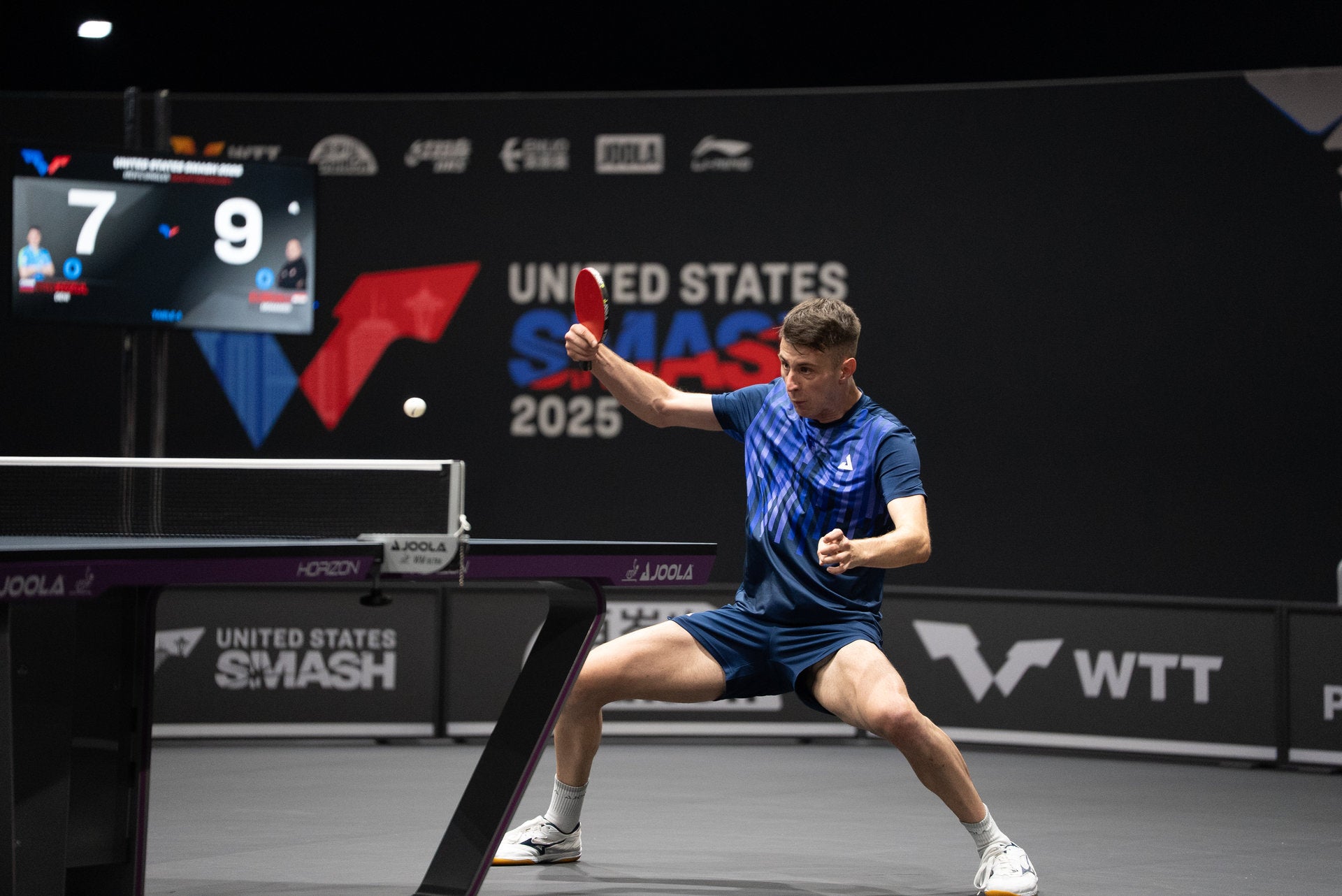
Table tennis combines physical movement with complex coordination. Players track the ball, judge spin and trajectory, adjust their positioning, and coordinate their legs, core, and playing arm.
Depending on speed, training intensity, and competition level, the physical demands can range from light recreational activity to highly demanding competitive sport.
Regular physical activity can contribute to overall health and well-being. However, the benefits of table tennis vary depending on training intensity, duration, frequency, and individual circumstances. Broad claims regarding calorie burn, rehabilitation, or injury risk should therefore be avoided.
Players with existing medical conditions, mobility limitations, or recent injuries should seek professional guidance when managing training loads. Proper warm-up routines, suitable footwear, appropriate flooring, and technically sound footwork are important elements of safe participation.
Our Highlights


Singles and Doubles: Similar Rules, Different Movement Patterns
In singles, serves and returns may be played anywhere on the opponent’s side of the table. In doubles, serves must be played diagonally between the right service courts.
Throughout a doubles rally, partners must alternate shots. The order of play remains fixed until the end of the game and is determined by the service and receiving sequence.
Doubles place special demands on movement and teamwork. After each shot, players must clear space for their partner. Efficient footwork, clear communication, and effective serve-and-third-ball combinations are often more important than maximum power.
Table Tennis for Beginners
For beginners, a relaxed and stable grip is more important than trying to hit the ball as hard as possible. The most common grip, known as the Shakehand Grip, resembles a natural handshake. The racket should feel secure without causing unnecessary tension in the hand, wrist, or forearm.
A slightly crouched ready position supports quicker reactions. Weight should rest on the balls of the feet, the upper body should lean slightly forward, and the racket should be positioned in front of the body. Small adjustment steps help create a consistent contact point.
New players should focus on controlled forehand and backhand drives, simple serves, and reliable returns. Placement, timing, and clean contact are far more important initially than raw speed. Advanced techniques such as topspin, blocking, and counterattacking can be developed later on this foundation.
What Equipment Do You Need?
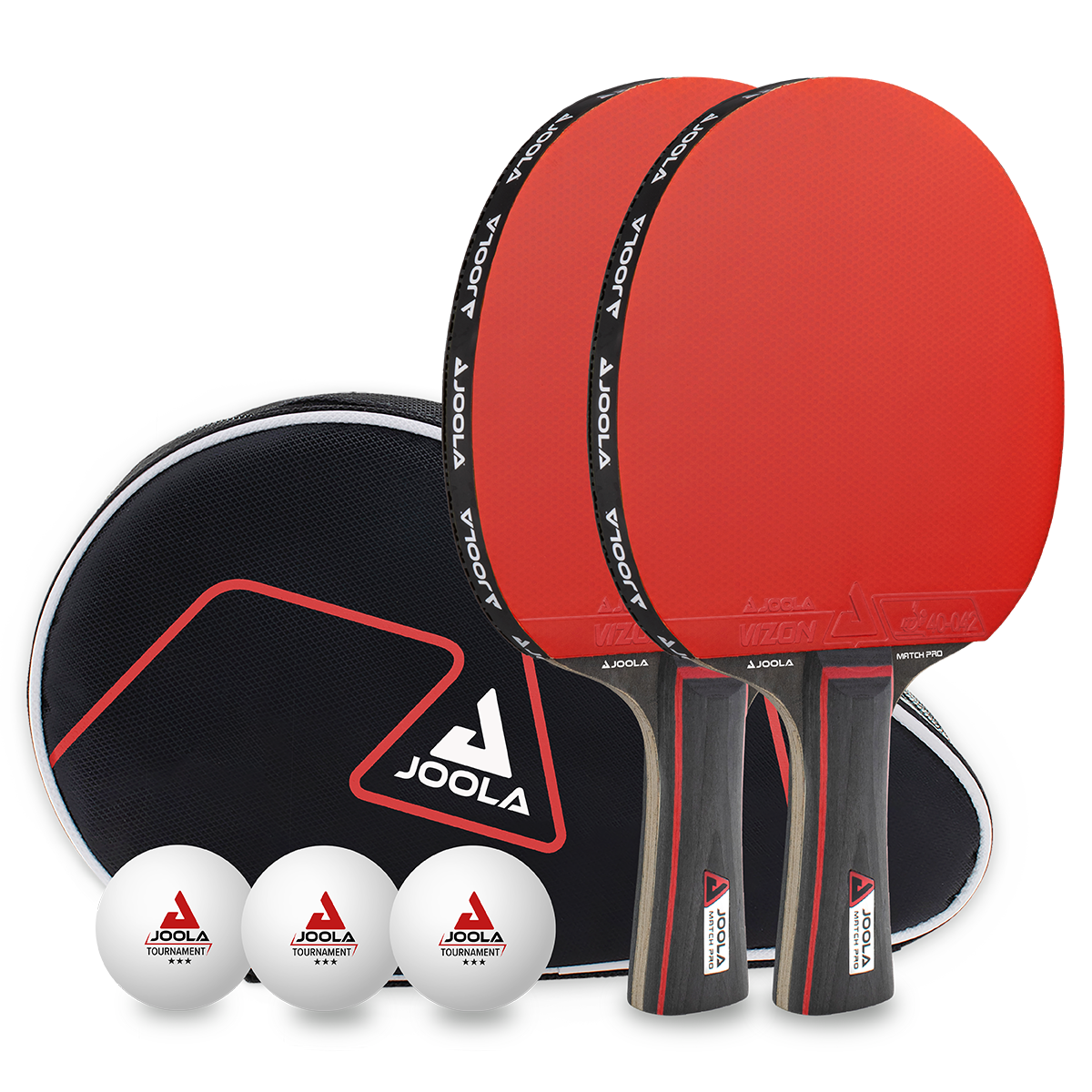
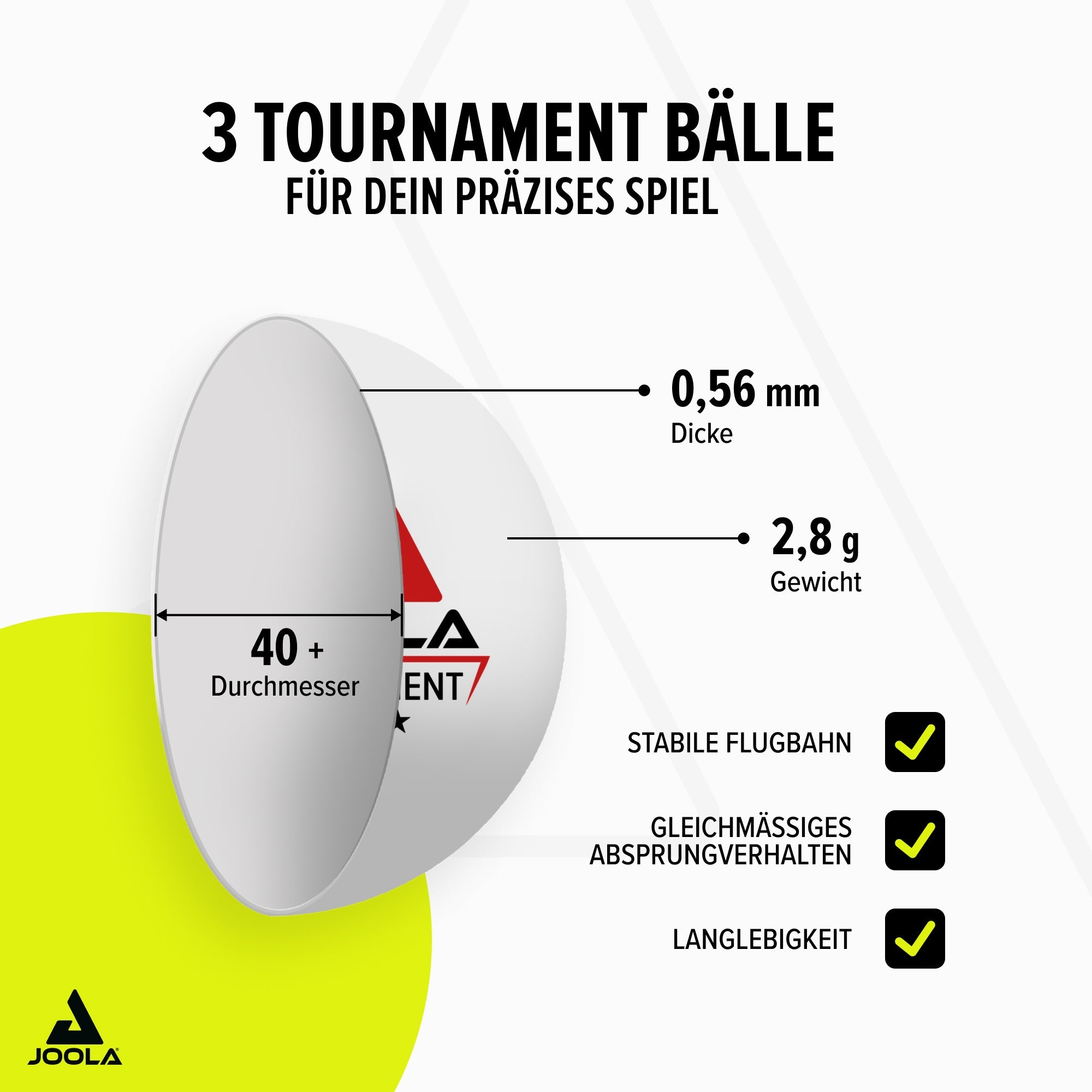
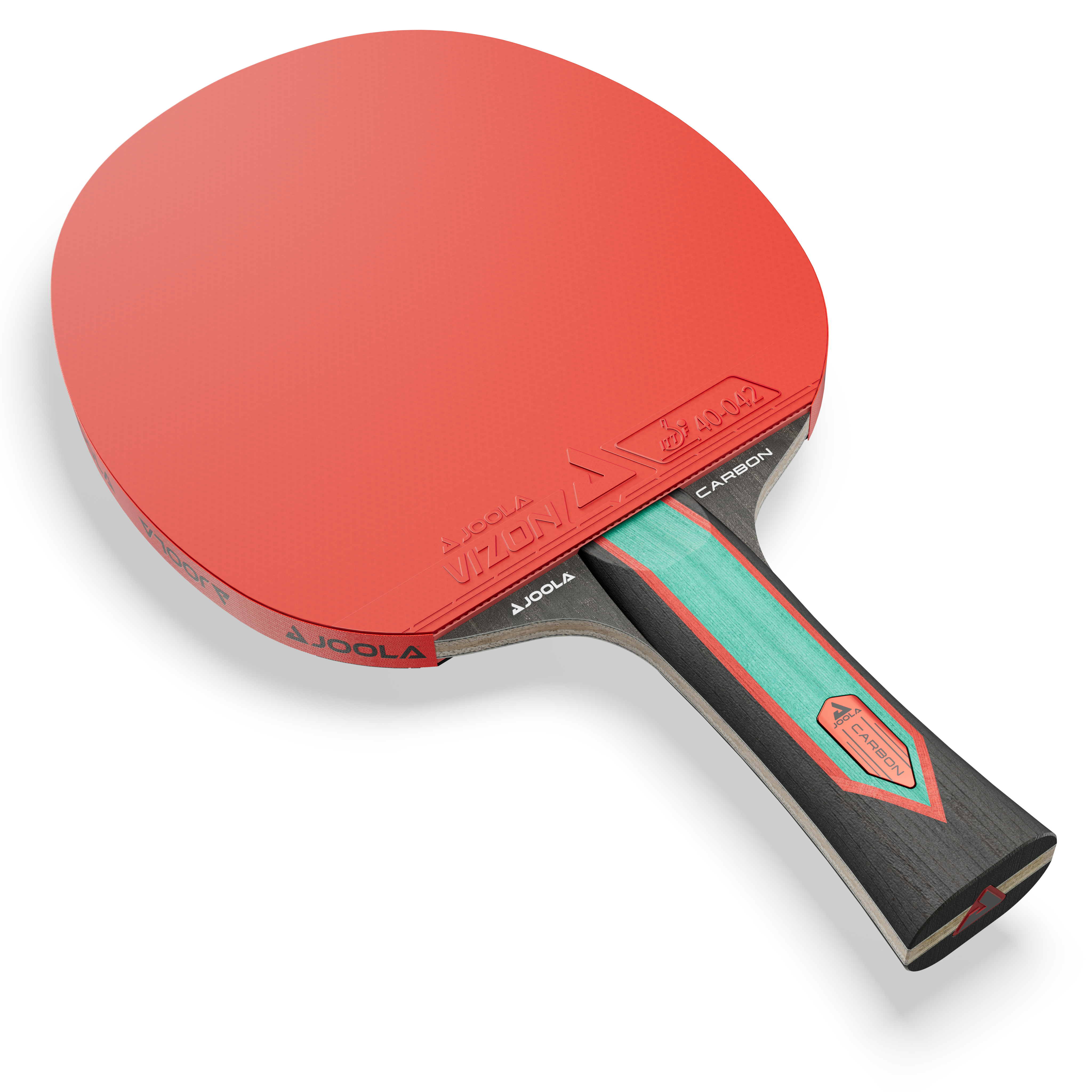
The basic equipment consists of a table tennis table, a net, balls, and rackets. For recreational play, ready-made rackets and complete sets are often the most convenient solution. Players who train regularly in clubs frequently customize their rackets by combining specific blades and rubbers.
The blade influences factors such as speed, feel, stiffness, and control. Together with the blade, the rubber determines spin generation, trajectory, catapult effect, and overall performance. Faster equipment is not automatically better. The key is whether the setup matches the player’s technique, training level, and style of play.
The choice of table also depends on the playing environment. Indoor tables are designed for dry indoor spaces, while outdoor tables are built with weather-resistant materials. Official competitions require compliance with current regulations and, where applicable, ITTF approval.
Which Table Tennis Table Is Right for You?
Different environments require different features. For home use, priorities often include consistent bounce and compact storage. Outdoor settings demand weather-resistant materials, stability, and reliable performance on uneven surfaces. Schools and clubs typically require durable locking systems, easy handling, and frequent mobility.
A regulation table measures 2.74 meters (9 feet) long, 1.525 meters (5 feet) wide, and 76 centimeters (30 inches) high. The net stands 15.25 centimeters (6 inches) high.
In addition to the table itself, adequate playing space is essential. Players who use powerful topspins or prefer mid-distance rallies need significantly more room behind the end lines than casual recreational players.
Which Table Tennis Rubber Is Right for You?
Choosing the right rubber starts with understanding your playing style. Control-oriented players prioritize predictable performance on returns, blocks, and placement shots. Topspin players focus more on grip, trajectory, and stability when attacking backspin balls.
Softer sponges generally activate more easily and require less effort. Harder sponges often reward precise and aggressive ball contact, providing stability and power at higher levels of play. However, sponge hardness alone does not determine performance. The topsheet, pimple structure, sponge thickness, blade selection, and player technique all interact as part of a complete system.
From Recreational Play to Club Training
Casual play is a great way to develop basic ball control and enjoy the competitive nature of the sport. Club training, however, introduces a more structured approach.
Practice sessions often combine technical development with game situations, including serve-and-third-ball exercises, returning various types of spin, opening attacks against backspin, blocking against topspin, and free-play drills with tactical objectives.
Coaches help players refine technique and choose equipment appropriate to their development level. Especially for beginners, controllable equipment is often beneficial because it allows them to learn spin, placement, and timing without being hindered by overly fast or reactive gear.
ITTF, WTT, and ETTU: Who Governs the Sport?
The International Table Tennis Federation (ITTF) serves as the global governing body of table tennis. It publishes the official rules, world rankings, and technical standards for approved competition equipment.
World Table Tennis (WTT) is the commercial and event-management arm of the ITTF Group and oversees the professional tournament circuit.
In Europe, the sport is governed by the European Table Tennis Union (ETTU), which organizes continental competitions for national teams, individual players, juniors, and clubs. National associations and regional organizations continue the structured development of the sport at local and club levels.
The Most Important International Competitions
Table tennis has been part of the Olympic Games since Seoul 1988. Olympic events may change over time. For Los Angeles 2028, the announced program includes Men’s Singles, Women’s Singles, Men’s Doubles, Women’s Doubles, Mixed Doubles, and a Mixed Team Event.
The ITTF World Championships are held in separate Individual and Team editions. Individual Championships award titles in Men’s Singles, Women’s Singles, Men’s Doubles, Women’s Doubles, and Mixed Doubles. Team Championships determine the strongest national teams.
The ITTF Men’s and Women’s World Cup is an elite international singles competition. Qualification and tournament formats may vary between editions and can combine group stages with knockout rounds.
The WTT structure includes multiple tournament categories, including WTT Feeder, WTT Contender, WTT Star Contender, WTT Champions, WTT Grand Smash, and WTT Finals. Results from these events can contribute to the official ITTF World Ranking according to current ranking regulations.
At the European level, the ETTU organizes European Championships, youth competitions, and club events. These are complemented by national leagues, cup competitions, and regional divisions that support the sport from grassroots participation through professional competition.
What Is the Difference Between Ping Pong and Table Tennis?
In everyday language, ping pong and table tennis are often used interchangeably. However, table tennis is the official name of the organized sport governed by recognized federations and played under standardized rules.
Ping pong is frequently used as a more casual term for recreational play and also has historical roots in early commercial versions of the game.
The terminology itself does not determine the rules being used. Club matches and tournaments follow official table tennis regulations, while recreational players may choose a more informal approach.